Commercial Waste Removal in Redbridge

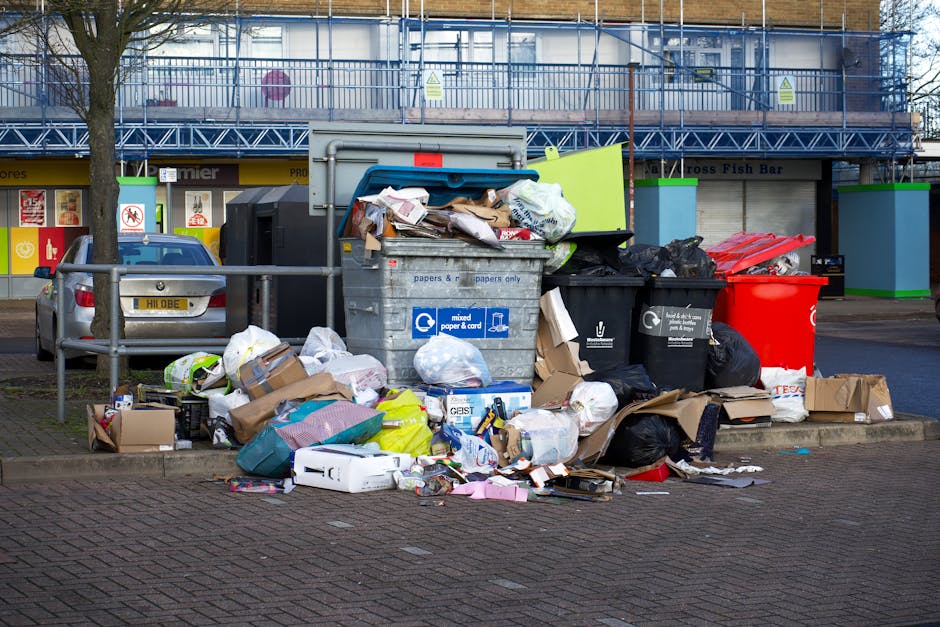
Commercial waste removal in Redbridge needs a service that fits the pace of trading, the type of waste being produced and the space available on site. We handle routine and one-off collections for workplaces that need mixed commercial waste taken away with as little disruption as possible, from office clear-outs and shop back rooms to items that have built up after changes to stock, equipment or layout. The emphasis is on practical removal, sensible sorting and a straightforward route to getting material off site.
Different business premises create different waste streams, so the service is arranged around the material rather than around a one-size-fits-all approach. That may include general office rubbish, broken furniture, obsolete fixtures, cardboard, archive material, IT peripherals and other non-hazardous commercial items. Where required, we can also separate specialist tasks such as office clearance and other commercial collection work so that items are handled in a way that suits the premises and the volume involved.
To request a quotation, it helps to describe the type of waste, how it is stored and whether access is straightforward. If the load includes mixed items, note anything that needs separating in advance so the collection can be planned clearly. You can keep it simple: a quick description is often enough to start. Tell us what needs removing, and we can take it from there.
Business collections for offices, shops and shared premises
Commercial waste is often produced in smaller amounts over time, then builds up when storage areas, staff rooms, stockrooms or reception spaces are reorganised. A planned collection helps avoid overfilling internal bins or leaving bulky material in working areas. For many customers, the useful part of the service is not just the lifting itself, but having waste removed from a space that still needs to function during business hours. That is why the collection is geared towards practical access, load type and the way the premises are used.
Where the waste comes from a workspace, the removal can cover desks, chairs, filing units, shelving, packaging and general non-confidential contents that are no longer needed. For paper-heavy clearances, some customers also ask for confidential shredding to be considered separately from ordinary disposal, especially where records must be destroyed rather than simply bagged. This keeps the broader clearance organised and helps avoid treating everything as the same waste stream.
Typical commercial items we remove
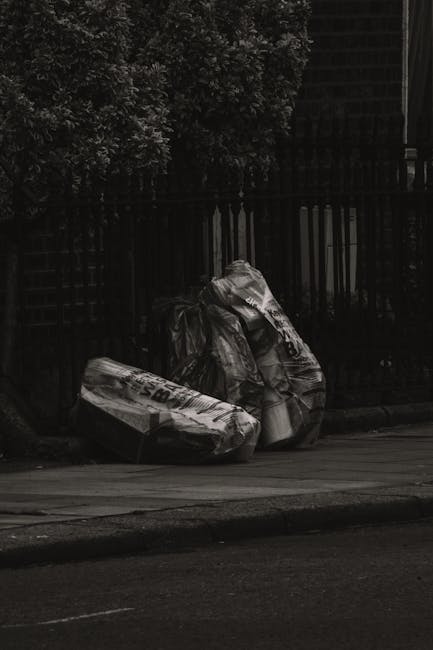
Common collections often include a mix of reusable, recyclable and disposable material. A sensible approach is to identify the bulky items first, then note the smaller waste that may travel with them. Typical examples include the following:
- Office furniture such as desks, chairs and storage units
- Cardboard, packaging and bagged general waste
- Old display fittings and shop fixtures
- Archive boxes, paper waste and non-sensitive records
- Small electrical items where permitted and suitable for collection
Bulky item and furniture disposal

Some commercial waste jobs are really about removing heavy or awkward furniture that no longer fits the way a workspace is used. That can include broken chairs, worn waiting-room seating, meeting tables, cupboards and other large items that are difficult to move through corridors or down stairs. In these cases, the main task is safe lifting and sensible handling, not simply emptying bags. The service is suited to items that are too awkward for ordinary waste bins and need organised removal from the room where they are stored.
If furniture is part of a wider office change, it can be grouped with related items rather than treated as a separate trip. That is where furniture clearance and furniture disposal become useful distinctions: one job may involve removing several items together, while another focuses on getting individual pieces out of the building in a tidy way. We can also deal with seating and similar household-style items when they form part of a business premises clearance, provided the items are appropriate for the service.
Good preparation makes bulky removal simpler. If items are still assembled, it can help to say so; if they are already stacked in one area, mention that as well. Access matters too: narrow corridors, upper floors, lift use and loading restrictions all affect how the work should be planned. The aim is to make the collection fit the building rather than forcing the building to fit the collection.
Clearance work for storage areas, garages and back rooms
Business premises often have support spaces where redundant stock, packaging, old fittings and general clutter gather over time. A garage, rear store or spare room can become the holding point for items that are awaiting review, recycling or disposal. Commercial waste removal for these areas needs a careful look at what is present, because these spaces often contain a mixture of breakables, bagged waste and larger pieces that were set aside for later. The service is therefore as much about sorting as it is about lifting.
Where a premises has extra storage capacity, a collection may focus on one room at a time or on items gathered from several parts of the site. That can include tasks similar to garage clearance and loft clearance when business premises use upper rooms or outbuildings for storage. For customers with larger domestic-style storage areas attached to a business, these collections can help clear the accumulated material without needing to treat each object as a separate job.
Before booking, it is useful to decide whether the stored items are mainly waste, mainly reusable, or a mixture of both. That distinction can influence the order in which things are removed and whether certain objects should stay behind. It also avoids confusion when a storage room contains packing waste alongside old equipment or spare furniture. A clear description of the room and its contents gives a better basis for a quotation than a long explanation of the whole history of the space.
Waste handling for refurbishments and building-related work

Refits, repairs and layout changes often leave behind a stream of waste that is different from day-to-day office rubbish. Offcuts, broken fixtures, packaging from new materials, removed fittings and general site debris can build up quickly while the work is in progress. Commercial waste removal in this context is useful because it keeps the site clearer between phases of work and helps avoid letting waste spread into circulation routes or customer-facing areas. The emphasis is on taking away material that is no longer needed, not on replacing trade contractors.
Some jobs may involve material commonly described as builders’ waste, provided the load is suitable for the service and any restricted material is excluded. If that is the case, a related service such as builders waste clearance may be the right fit for the scale and mix of items involved. For straightforward non-hazardous debris, a general removal may be enough; for heavier or more mixed loads, a clearer description of the contents helps ensure the job is planned sensibly.
In practical terms, refurbishment waste is easiest to manage when the useful material has already been separated from what is being removed. A quick check of the waste pile can reveal whether there are reusable fixings, packaging that can be flattened, or sharp offcuts that need extra care. The collection then becomes a controlled part of the project rather than an afterthought at the end of the day.
Appliances, fridges and other specialist items
Commercial premises sometimes need more than standard bagged waste collection. Broken appliances, redundant fridges, food-service units or other bulky equipment may need extra handling because of their size, contents or construction. These items are not the same as ordinary office refuse, so a quotation should note them clearly. When appliance disposal is part of the job, the focus is on safe movement, appropriate segregation and making sure the load is described accurately from the outset.
Where a business has equipment to remove alongside its regular waste, it can be helpful to separate that material into a distinct group before collection day. That is particularly true for items that may be heavier, awkward or more awkwardly shaped than furniture. Related services such as fridge and appliance removal and mattress and sofa disposal show how specific objects may be dealt with according to their form, while still sitting within a broader waste-removal plan.
Because specialist items vary so much, the best quotation is usually the one that describes the object, approximate size and location as plainly as possible. If the appliance is on a ground floor in a clear loading area, that is useful to know; if it sits in a tight store room or basement, that matters too. The more accurately the load is described, the more efficiently the removal can be organised.
Hazardous and restricted waste considerations
Not everything found in a commercial setting should be mixed into a normal waste collection. Certain materials may be restricted, need separate treatment or require a different arrangement altogether. That is why it is important to distinguish between ordinary non-hazardous commercial waste and anything that may fall into a special category. The service described here is best used for material that can be removed under the right controls and within the limits of the job.
Where customers are unsure whether an item is suitable, it is better to mention it early than to bury it in a general list. For some materials, a specialist route such as hazardous waste disposal may be required instead of a general clearance. Separating those categories helps keep the quote accurate and avoids last-minute changes that can slow the collection down or alter what can be taken on the day.
Supporting information for this type of work should be factual and simple. Describe the item, where it is stored and anything unusual about access or containment. If the load includes ordinary rubbish as well as a restricted item, say so clearly. That way, the job can be judged on the basis of the actual waste rather than on assumptions about what might be involved.
About Redbridge

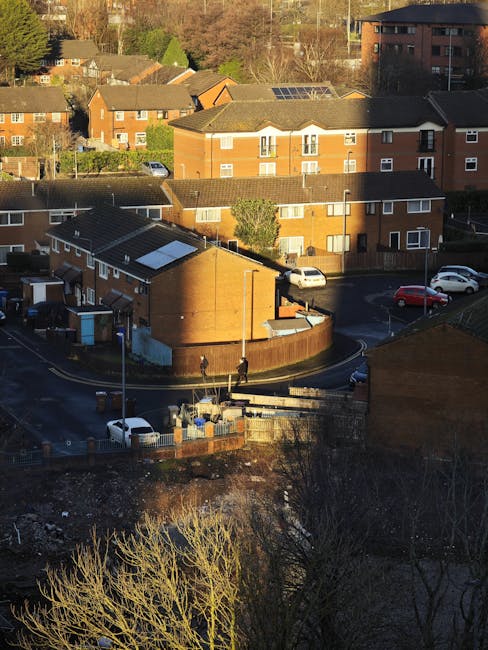
Redbridge is a London borough in the north-east of the capital, taking its name from the historic bridge that once crossed the River Roding and gave the area its identity. The borough sits between inner and outer London and includes a varied urban landscape shaped by rail lines, main roads, older village centres and later suburban development. Ilford is one of its best-known districts, while other places such as Wanstead, Woodford, South Woodford and Gants Hill each bring their own character and built form to the wider area. The borough’s history can be traced through older parish boundaries, estates and successive waves of growth linked to transport improvements and London’s expansion.
The district’s geography includes stretches of the Roding valley, open space at Wanstead Flats and a strong network of parks and tree-lined residential streets. Wanstead Park is one of the more notable historic landscapes, with traces of former estate design still visible in the surviving lakes and woodland character. The borough is also associated with the long, straight line of the Central line, which helped shape suburban development and made many of the neighbourhoods more closely connected to the rest of London. Alongside these transport links are civic, religious and educational buildings that reflect different stages of growth, from Victorian expansion to interwar housing and later infill. Local high streets and shopping parades remain important parts of daily life, while the area’s diversity is reflected in its food, worship and cultural venues. In this setting, Redbridge combines older settlement patterns with modern suburban living, giving it a varied and layered local identity.
The borough also has a number of public spaces and amenities that contribute to its everyday atmosphere. Claybury Park, Valentines Park and Fairlop Waters are among the places associated with leisure and green space, while the borough’s residential streets often feature a mix of semidetached houses, terraces and mansion blocks. Its relationship with neighbouring boroughs has also influenced how people move through the area, with rail stations and road corridors linking local districts to the City, the West End and Essex. That combination of urban convenience and open space is one reason the borough feels distinct, even though it forms part of the wider London pattern.
Pricing factors and collection planning

Commercial waste quotations are usually shaped by the amount to be removed, the type of material, how easy it is to reach and whether the load includes bulky or specialist items. A compact bagged collection is very different from a full room clearance, so the starting point should always be the actual waste rather than an estimated guess. If the material is spread across several floors or split between storage and working areas, that too may affect the way the job is planned.
A useful enquiry includes a plain description of the waste, approximate quantity and access details. If photographs are available, they can help show the scale and mix of the load, but they are not the only way to explain what needs removing. The same applies to timing: some premises prefer the collection to happen when footfall is lighter, while others simply need a tidy removal window that fits around their opening hours. If you are comparing options, ask for a clear quotation and make sure the job scope is described in one place.
Pricing and quotes can be discussed once the waste type is known, and a practical enquiry will usually cover the main points without much back-and-forth. If you are ready to move ahead, send the basic details and request a quotation. We will use the information provided to shape the collection around the waste, the premises and the service required.
Recycling, sorting and responsible disposal
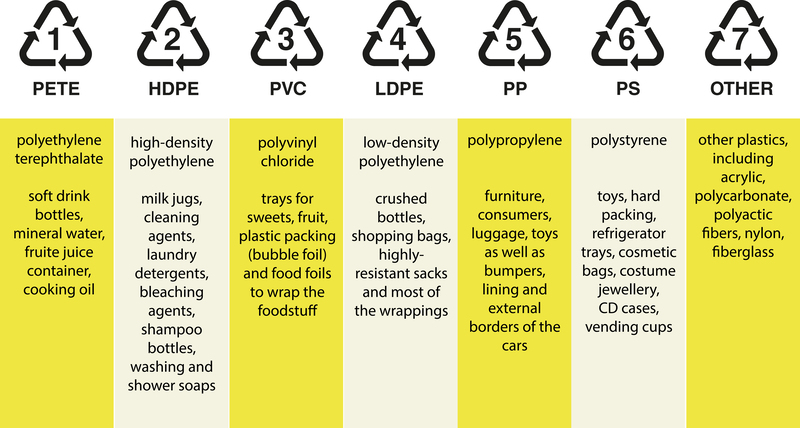
Not all commercial waste should be treated the same way. Office furniture, packaging, paper, plastic, metal and certain appliances may be suitable for different processing routes, so sorting matters. A good clearance does not rely on one large mixed skip of everything together; instead, it takes a more considered approach to what can be separated and what must be sent for disposal. That improves the overall usefulness of the service and helps keep the collection orderly.
Where the load contains items that may be recyclable, customers often want to understand how the material will be handled after removal. A relevant page such as recycling and sustainability can set out the general approach to sorting and responsible treatment. In practice, the useful step is to decide what can be lifted as part of the main job and what should be kept apart because it needs a different route. This keeps the collection efficient without oversimplifying the waste itself.
For many businesses, the right disposal plan is simply the one that reduces disruption and keeps the premises workable. That may mean moving old items out before replacement stock arrives, removing clearance waste after a refurb or clearing a back room that has become difficult to use. If that sounds like the service you need, ask for a quotation and describe the waste as plainly as possible. Contact us when you are ready to arrange the next step.